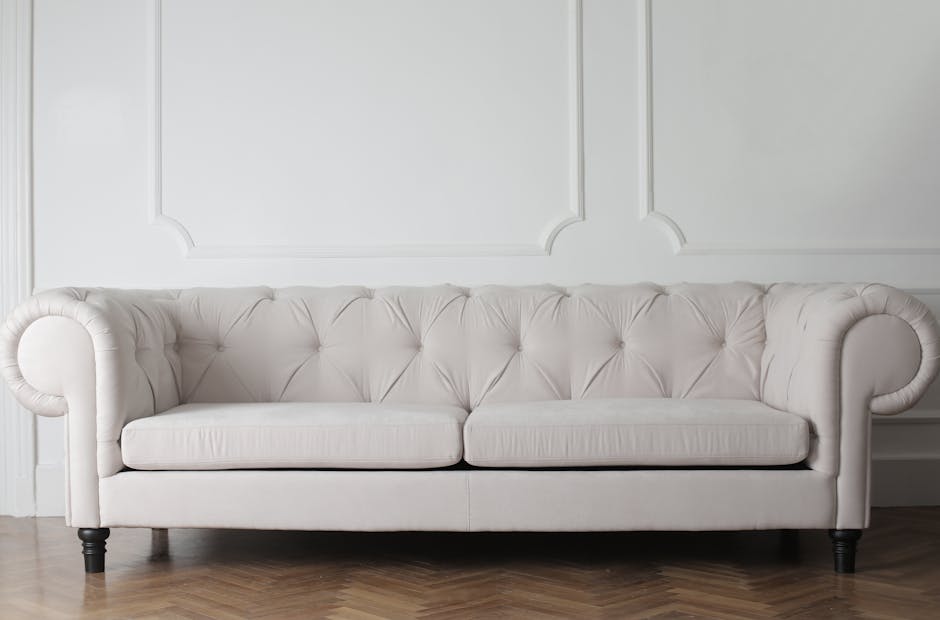
Upholstery cleaning near Earls Court Station and Warwick Road: a practical local guide
If you are looking into upholstery cleaning near Earls Court Station and Warwick Road, you are probably dealing with one of those everyday problems that quietly gets worse over time: a sofa that looks tired, armchairs with dull patches, a stubborn drink mark, or fabric that just smells less fresh than it should. In a busy part of West London, furniture takes a lot of use. Shoes, pets, traffic dust, takeaway nights, the odd rainy commute home - it all adds up. The good news? Most upholstered furniture can be improved a great deal with the right cleaning method, the right products, and a bit of care.
This guide explains what upholstery cleaning actually involves, how the process works, when it makes sense to book it, and how to get better results without risking damage. You will also find a comparison of methods, a realistic example, and a practical checklist you can use before and after the clean. Nothing overblown. Just useful, local, plain-English advice.
Why upholstery cleaning near Earls Court Station and Warwick Road matters
Upholstery is one of those surfaces people live with every day but rarely inspect closely. You notice it when there is a mark. You really notice it when the room starts to feel flat, even though everything else is tidy. That is the part many people miss: fabric furniture affects the whole feel of a home or business. It holds odours, absorbs spills, and traps dust in the fibres. In a London setting, where outside dirt and indoor use both come into play, upholstery can look older than it really is.
Near Earls Court Station and Warwick Road, there is also the practical reality of time. People want services that are easy to arrange, respectful of tight schedules, and careful with flats, maisonettes, shared entrances, and busy households. That is especially true where furniture needs to be cleaned without making a mess or leaving rooms out of use for too long. A good clean is not just cosmetic. It can make a sofa more pleasant to use, improve hygiene, and help a property feel looked after.
Truth be told, most people wait too long. By the time the upholstery starts to feel sticky or slightly musty, grime has often settled deeper into the fibres. Cleaning earlier usually means gentler treatment and better results. That is where sensible upkeep pays off.
Expert summary: Good upholstery cleaning is not about making fabric look unnaturally new. It is about lifting embedded dirt, dealing with stains safely, and restoring comfort without harming the material.
How upholstery cleaning near Earls Court Station and Warwick Road works
Professional upholstery cleaning is usually a staged process, not a single spray-and-wipe job. The exact method depends on the material, construction, and level of soiling. Some items need low-moisture treatment. Others can handle deeper extraction. The cleaner should always start with an inspection. That first look matters more than people think.
Typically, the process includes:
- Fabric identification to check whether the upholstery is natural fibre, synthetic, blended, delicate, or colour-sensitive.
- Dry soil removal using vacuuming and agitation to lift dust, crumbs, hair, and grit before wet cleaning begins.
- Spot assessment for stains, odours, body oils, and worn areas.
- Testing a small hidden patch to reduce the risk of colour loss or water marking.
- Pre-treatment with a suitable cleaning solution to loosen grime.
- Extraction or controlled agitation to remove soil without saturating the fabric.
- Final grooming and drying guidance so the upholstery dries evenly and looks neat.
For some fabrics, a hot water extraction-style clean may be appropriate. For others, specialist upholstery shampooing, encapsulation, or low-moisture methods work better. The point is not to force one method on every sofa. That is how damage happens. A velvet chair, for example, needs a much more cautious approach than a hard-wearing synthetic dining bench.
If you already know you need a broader refresh, it can help to think of upholstery cleaning as part of a wider home care routine. Services like deep cleaning or one-off cleaning often sit well alongside fabric care when a property needs a proper reset.
Key benefits and practical advantages
The most obvious benefit is visual. Clean upholstery simply looks better. But there is more to it than that. A well-cleaned sofa or armchair can change how a room feels, and sometimes how it smells, which is a big deal if you work from home, host guests, or just want the flat to feel calm again.
- Improved appearance: stains, dullness, and flattened fibres are reduced.
- Better comfort: clean fabric feels less sticky and more inviting.
- Odour reduction: everyday smells, pet scent, and trapped food odours are often improved.
- Longer furniture life: removing abrasive dust and grime helps reduce premature wear.
- Better hygiene: although upholstery cannot be made sterile, a proper clean can remove a lot of embedded dirt and residue.
- Property presentation: useful for rentals, sales, guest accommodation, and shared homes.
There is also a quiet psychological benefit. A clean sofa changes how you use a room. You stop avoiding the armrest with the coffee mark. You stop throwing a blanket over the patch. Small thing, but it changes the feel of the place. Let's face it, we all notice those little annoyances.
For landlords, hosts, and business owners, clean upholstery can support a more professional impression. If you manage a workspace or reception area, it is worth looking at commercial cleaning and, where fabric seating is part of the environment, commercial carpet cleaning as part of a broader maintenance plan.
Who this is for and when it makes sense
Upholstery cleaning near Earls Court Station and Warwick Road makes sense for far more people than you might think. It is not only for obvious stains or very expensive furniture. In practice, it suits anyone who uses fabric seating regularly and wants it to stay presentable, comfortable, and reasonably hygienic.
Typical situations where it is worth booking
- You have visible spills, ring marks, or patchy wear.
- The sofa smells stale after pets, cooking, or daily use.
- You are moving out and want the property to present well.
- You are moving in and want to start with a fresh, cleaned living space.
- Your office chairs or waiting-room seating look tired.
- A rental or short-let property needs a quick turnaround.
- You have family members with allergies or sensitivities and want to reduce built-up dust.
It also makes sense after a renovation or a busy season of visitors. Upholstery catches fine dust very easily, especially when windows have been open or building work has been going on nearby. In those cases, pairing upholstery care with after builders cleaning or move in cleaning can be a smart move.
Some people wait because they are unsure whether their furniture can be cleaned at all. Fair enough. If the item is old, delicate, or poorly labelled, a cautious inspection is essential. A decent technician will tell you when a piece needs special treatment rather than pushing ahead blindly.
Step-by-step guidance
If you want to understand what a proper upholstery clean looks like from start to finish, this is the simple version. Not every job follows exactly the same order, but a thoughtful process usually includes these stages.
- Assess the fabric and the condition. The cleaner checks the material type, the construction, and any weak areas such as worn seams or fraying edges.
- Identify stains and problem zones. High-contact areas like headrests, armrests, and seat fronts usually hold the most body oils and dirt.
- Dry vacuum thoroughly. This removes loose soil before moisture is introduced. Skipping this step is a classic mistake.
- Test in a discreet area. Even good products can react differently on different fabrics.
- Apply the right pre-treatment. This loosens the build-up so it can be removed more easily.
- Clean using the safest suitable method. Depending on the fabric, this may involve gentle agitation, extraction, or low-moisture treatment.
- Treat residual spots if needed. Some stains need a second pass, but not always. Overworking a stain can spread it.
- Speed up drying and groom the fibres. This helps the item dry evenly and look neat.
- Explain aftercare. You should be told how long to leave it before use, what to avoid, and how to handle any remaining damp patches.
A quick practical note: if you are booking upholstery cleaning in a flat near Warwick Road, think about access and airflow. Open windows if possible, move small items off the furniture, and keep the route clear. It sounds obvious, but in real life, people forget. Then the cleaner is dodging side tables and plant stands like a contestant in a very boring obstacle course.
Expert tips for better results
There are a few habits that consistently lead to better upholstery cleaning results. None of them are fancy. They are just the small, practical things that make the job easier and safer.
- Vacuum regularly between professional cleans. Grit acts like sandpaper on fabric fibres.
- Deal with spills early. The longer a stain sits, the more likely it is to settle.
- Use the right cloth when blotting. White, absorbent cloths are usually better than coloured towels that might transfer dye.
- Do not over-wet the fabric. Too much moisture can leave water rings or slow drying.
- Ask about the fabric code if you have one. It can guide the safest cleaning method.
- Rotate cushions where possible. This helps wear stay more even.
- Keep pets off freshly cleaned furniture until fully dry. Very sensible, even if they look offended.
If your main issue is a stubborn mark rather than general dullness, the right approach may be more targeted. In that case, a service focused on stain removal can be useful, especially for drink spills, food marks, or the odd mystery spot that appeared overnight. For pet-related issues, look at pet stain odour removal, because smell and stain are often linked but not always solved the same way.
Common mistakes to avoid
This is where a lot of damage happens. Most upholstery problems are not caused by neglect alone. They are caused by well-meaning but wrong cleaning attempts. A little caution goes a long way.
- Using the wrong cleaner on delicate fabric. Some household products can strip colour or leave a sticky residue.
- Scrubbing aggressively. That often pushes the stain deeper and distorts the weave.
- Cleaning without testing first. One hidden patch test can prevent a costly mistake.
- Soaking cushions. Deep saturation can cause odour, slow drying, and marks.
- Ignoring the frame and seams. Dirt settles there too, and seams can weaken if overworked.
- Assuming all odours are surface-level. Sometimes the smell sits deeper in the padding.
- Using furniture before it has dried properly. That can flatten fibres and undo the finish.
To be fair, many people try a quick home remedy first. That is normal. But if a mark keeps returning, or if the fabric starts looking patchy after a DIY attempt, it is usually time to stop and reset rather than keep going. More cleaning is not always better cleaning.
Tools, resources and recommendations
You do not need a cupboard full of equipment to keep upholstery in decent condition. In most homes, the essentials are simple. For regular care, a good vacuum with an upholstery attachment is the biggest win. A soft brush can help lift dust from seams and textured fabric. Absorbent white cloths are useful for fresh spills. Beyond that, the main recommendation is restraint.
If you are arranging professional support, it helps to ask a few grounded questions:
- What type of fabric is this likely to be treated as?
- Will you test an area first?
- How long will drying usually take?
- What happens if a stain does not fully come out in one visit?
- Are you insured and do you follow clear safety procedures?
Those are sensible questions, not awkward ones. A trustworthy cleaner should answer them plainly. If you want to understand how a company handles client information, payments, or service expectations, it is worth reviewing pages such as payment and security, pricing and quotes, and insurance and safety. For wider company information, about us can also help build confidence before you book.
Law, compliance, standards, or best practice
For upholstery cleaning, the most relevant point is not a single law about sofas. It is the broader duty to work safely, use products appropriately, and avoid causing harm to people or property. In the UK, that usually means sensible adherence to health and safety best practice, careful handling of chemicals, proper risk awareness in homes and commercial settings, and clear communication about any limitations.
For example, if a cleaner is working in a shared block or office, they should consider access, slip risk from damp floors, and how to keep the route clear. That may sound basic, but basic is good. In a residential setting, it also means taking care with ventilation, electrical items nearby, and delicate finishes. If someone has allergies, asthma, or sensitive skin, it is reasonable to ask what products are being used and how the room should be aired afterwards.
Responsible cleaning businesses should also have clear policies in place. On this site, it is sensible to review health and safety policy, terms and conditions, and privacy policy so you know what to expect. That is just good practice, not bureaucracy for the sake of it.
In commercial environments or managed properties, it can also be useful to align upholstery care with broader upkeep such as communal area cleaning, office cleaning, or regular cleaning. The point is consistency. Clean furniture in an otherwise dusty room is a bit like polishing one shoe and leaving the other muddy.
Options, methods, or comparison table
Not all upholstery cleaning methods are the same, and the best one depends on the fabric, the soil level, and how quickly the item needs to be usable again. Here is a clear comparison to help you think it through.
| Method | Best for | Strengths | Watch-outs |
|---|---|---|---|
| Hot water extraction | Durable fabric with general dirt and deeper build-up | Good soil removal, fresh finish, useful for heavily used seating | Not ideal for some delicate fabrics; drying time matters |
| Low-moisture cleaning | Routine maintenance, lighter soiling, faster turnaround | Quicker drying, less saturation, often safer for sensitive materials | May need more than one pass for stubborn grime |
| Foam or shampoo cleaning | Specific fabric types and moderate soiling | Can be effective when carefully controlled | Residue risk if not extracted or managed well |
| Spot treatment only | Small localised stains | Targeted, economical, minimal disturbance | Does not refresh the full item |
If you are comparing this with other soft furnishing services, it can help to think about the whole item. Curtains, rugs, and mattresses often need different methods, even if they seem similar at first glance. For example, curtain cleaning and rug cleaning are related but not interchangeable. And if the fabric seating is part of a larger refresh, sofa cleaning may be the most direct fit for a living-room setup.
Case study or real-world example
Here is a simple real-world scenario from the kind of job people often need near Earls Court Station and Warwick Road. A family in a first-floor flat had a fabric sofa that looked acceptable at a distance but had become patchy around the arms and seating area. There were food marks from weekend use, a general grey cast on the headrests, and a faint stale smell that was most noticeable late in the evening when the windows were shut.
The first step was inspection. The fabric was checked for suitability, and a hidden patch was tested. The cleaner then vacuumed carefully around seams and under cushions, where crumbs and lint had settled. A mild pre-treatment was applied to the high-contact areas, followed by controlled cleaning rather than heavy soaking. The stubborn marks needed a second light pass. Nothing dramatic. No miracle moment. Just careful work.
What changed? The sofa looked brighter, the arms no longer felt greasy, and the room smelled cleaner without becoming artificially perfumed. The family could sit down again without that small inner wince people get when they glance at a stain. That matters more than it sounds like it should.
If the property had been preparing for a move, the clean might have been combined with end of tenancy cleaning or, for a changeover, move out cleaning. In a guest-let setting, something like Airbnb cleaning would also make sense, because presentation and turnaround speed are both part of the job.
Practical checklist
Use this before booking upholstery cleaning or before treating a stain yourself.
- Check the fabric type if there is a label or care guide.
- Identify the main problem: stain, odour, dullness, grease, or general wear.
- Vacuum loose dirt and crumbs first.
- Take a quick photo of the issue so you can judge improvement later.
- Move fragile items away from the cleaning area.
- Ask whether the fabric should be cleaned with low-moisture or extraction methods.
- Make sure there is ventilation for drying.
- Keep pets and children away from the item until fully dry.
- Do not use random household chemicals as a guess. Seriously, it is rarely worth it.
- Request aftercare advice for blotting, drying, and routine maintenance.
Quick takeaway: If you know the fabric, clean the right way, and avoid over-wetting, you are already ahead of most problems people run into with upholstered furniture.
If you are considering a wider home refresh at the same time, it can be practical to combine upholstery care with domestic cleaning, house cleaning, or even regular cleaning for ongoing upkeep. That keeps the finish more consistent throughout the property.
Conclusion
Upholstery cleaning near Earls Court Station and Warwick Road is one of those services that quietly improves daily life. It freshens the room, helps furniture last longer, and takes away the low-level irritation of looking at a mark you have been meaning to deal with for months. The best results come from choosing the right method for the fabric, cleaning carefully, and not rushing the drying stage. Simple, really - though it does take judgement.
Whether you are tidying up a family sofa, sorting a rental property, or giving an office seating area a proper reset, the key is to treat the fabric with the respect it deserves. Not too much water, not too much scrubbing, and no heroic DIY experiments on delicate materials.
If you want a cleaner, calmer-looking space and a straightforward next step, start with a proper quote and a clear conversation about the fabric, stains, and timing.
Get a free quote today and see how much you can save.
And if nothing else, imagine sitting down on a sofa that no longer looks tired. Small pleasure. Surprisingly big difference.
Frequently Asked Questions
How often should upholstery be professionally cleaned?
It depends on use, but many households benefit from a professional clean every 12 to 24 months. Homes with pets, children, or heavy daily use may need it more often. If a sofa starts looking dull or smelling stale before then, that is usually your cue.
Can all types of upholstery be cleaned safely?
Not always in the same way. Different fabrics need different methods, and delicate materials should be treated cautiously. A proper inspection and patch test help reduce the risk of colour loss, shrinkage, or texture change.
Will upholstery cleaning remove every stain?
No honest cleaner should promise that. Many stains improve a lot, some come out fully, and some fade but remain slightly visible. The result depends on the stain type, how long it has been there, and what the fabric is made from.
How long does upholstery take to dry?
Drying time varies depending on the fabric, cleaning method, room temperature, and airflow. Low-moisture methods usually dry faster, while deeper extraction can take longer. Good ventilation helps. So does not sitting on it too soon, which is harder than it sounds.
Is upholstery cleaning worth it for a rental property?
Usually yes. Clean seating improves presentation, helps the property feel cared for, and may reduce complaints about smells or visible marks. It is especially useful before new tenants move in or after a long occupancy.
What is the difference between sofa cleaning and upholstery cleaning?
Sofa cleaning is a specific type of upholstery cleaning. Upholstery cleaning covers more than sofas, including chairs, benches, stools, and other fabric-covered furniture. If the item is not a sofa but still upholstered, the broader term is usually the better fit.
Should I vacuum upholstery before the cleaner arrives?
Yes, if you can. Removing loose crumbs, dust, and pet hair first helps the cleaning process. It is not mandatory, but it usually improves efficiency and gives the cleaner a better starting point.
Can pet odours be removed from upholstered furniture?
Often they can be reduced significantly, sometimes very well, but results depend on how deeply the smell has penetrated. Surface odours are easier to treat than those absorbed into padding or underlayers. Pet stain and odour issues are best dealt with early.
Is upholstery cleaning safe around children and pets?
It can be, as long as the products are used properly and the item is allowed to dry before use. Keep children and pets away during the process and until the fabric is fully dry. If someone in the home has sensitivities, ask about the products beforehand.
How do I choose a good local upholstery cleaner?
Look for clear communication, proper fabric assessment, sensible safety procedures, and straightforward pricing. It also helps if the company explains its process clearly and offers practical aftercare advice rather than vague promises.
Can upholstery cleaning help with allergies?
It may help reduce dust and allergens trapped in the fabric, although it is not a medical treatment and cannot remove every trigger. Regular vacuuming and periodic deep cleaning together tend to work better than either one alone.
What should I do before booking a clean?
Check the fabric if possible, identify the main issue, clear the area around the furniture, and ask about the expected drying time. If you are comparing services or want to understand what is included, have a look at the available service information and ask for a clear quote.